
CORTEC Tech Notes
Production chokes are essential for upstream flow control—they’re the gatekeepers of production rates, pressure management, and downstream equipment protection. The right choke type—fixed, adjustable, manual, or actuated—makes a noticeable difference in well performance, safety, and long-term costs.
This guide takes a hands-on look at positive (fixed), adjustable, and actuated chokes, weighing their technical tradeoffs and sharing where each truly excels in real operations.
What are the advantages and disadvantages of a Positive Choke?
A positive choke—often called a fixed orifice choke—relies on a non-adjustable orifice (bean) to control flow. The flow rate comes down to orifice size and pressure differential. If you need a change, you have to physically swap the bean, which most field crews find straightforward but time-consuming.
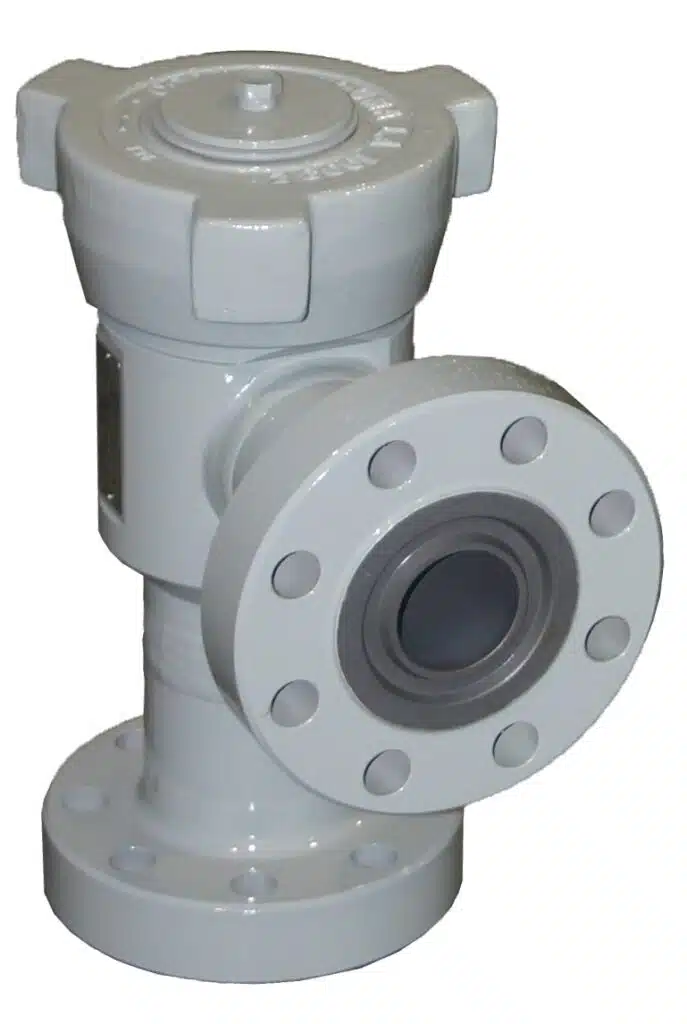
CORTEC Positive or Fixed Choke
Advantages:
- Mechanically simple, no moving flow-path parts
- High reliability for stable wells
- Lower initial and maintenance costs
- High erosion resistance when using hardened trim
- Fail-safe design
Limitations:
- No real-time adjustment capability
- Requires intervention to change flow
- Poor fit for wells with variable or transient flow
- Limited production optimization
Best suited for mature, stable wells with predictable production profiles.
Adjustable Chokes vs Fixed Orifice Chokes
Adjustable production chokes let you change flow rates on the fly, no hardware swap required. Most use needle and seat or cage and sleeve trim, which are long standing reliable solutions in most upstream production applications.
Advantages:
- Real-time flow adjustment
- Improved production optimization
- Better drawdown management
- Reduced frequency of well interventions
- Ideal for ramp-up and decline phases
Tradeoffs:
- Increased internal complexity
- Higher initial cost
- Trim selection is critical to manage erosion and wear
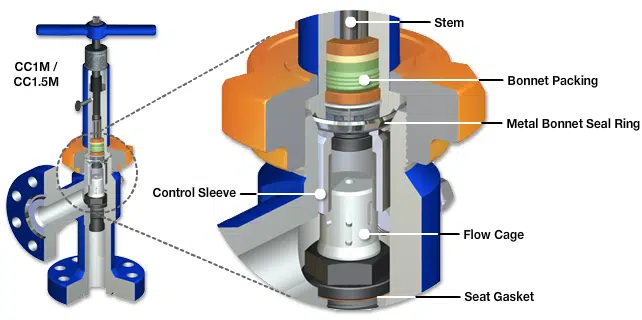
CORTEC Model CC1M Cage and Sleeve Adjustable Production Choke

CORTEC Model PH1 Positive Choke
Actuated Chokes vs Manual Chokes
Actuated chokes take things a step further—operators can adjust flow remotely, reduce the need for field visits, and respond faster when conditions change. Operators with varying production rates on remote well locations or needing to optimize rates across a multi-well field will benefit from the real time utility of automation.
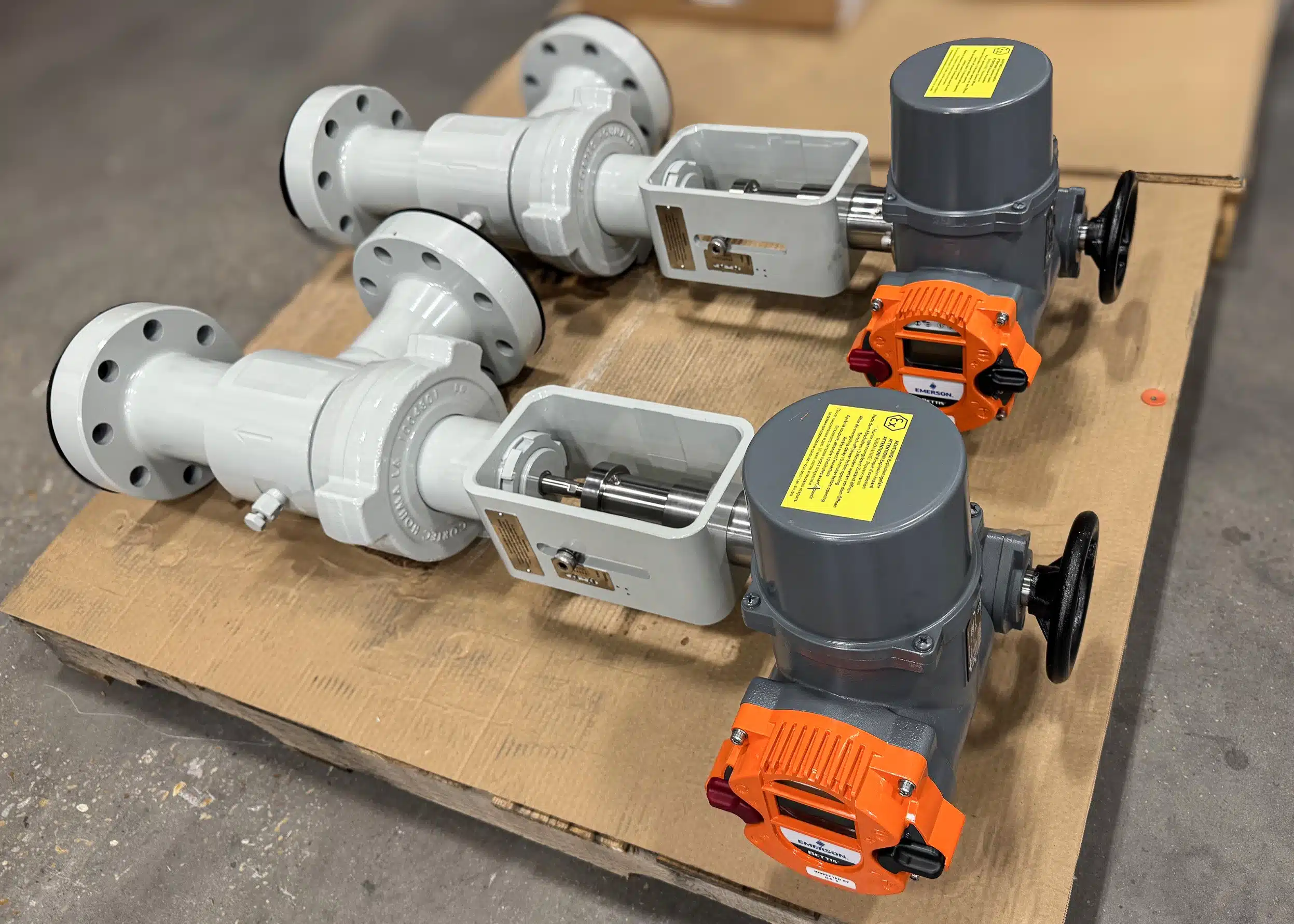
CORTEC CC2M Electric Actuated Chokes
Advantages:
- Remote operation
- Improved safety
- Rapid response to changing conditions
- SCADA integration
- Consistent and repeatable adjustments
Manual chokes still have their place—if you rarely need to adjust the flow and site access isn’t a problem, they’re simple and reliable. Plenty of mature wells run smoothly this way.
Types of Choke Actuation
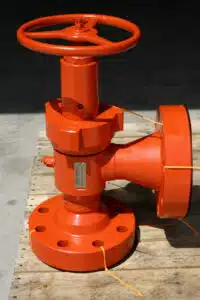
CORTEC Manual Wheel Adjustable Choke
Manual (Handwheel)
Pros: Lowest cost, no utilities required
Cons: Requires personnel onsite, slower response
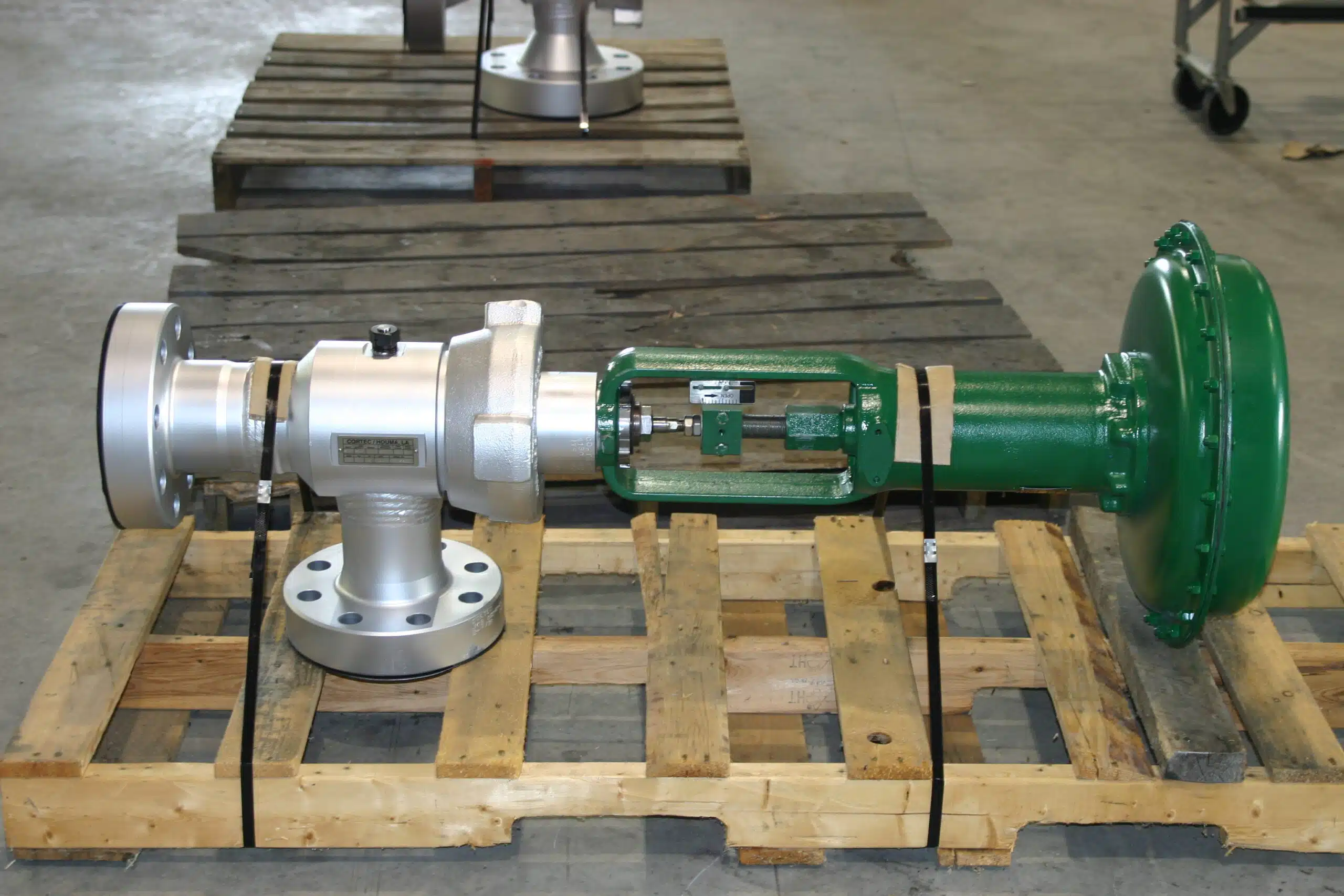
CORTEC Choke with Pneumatic Actuator
Pneumatic Actuation
Pros: Fast, reliable, hazardous-area friendly
Cons: Requires clean, dry air
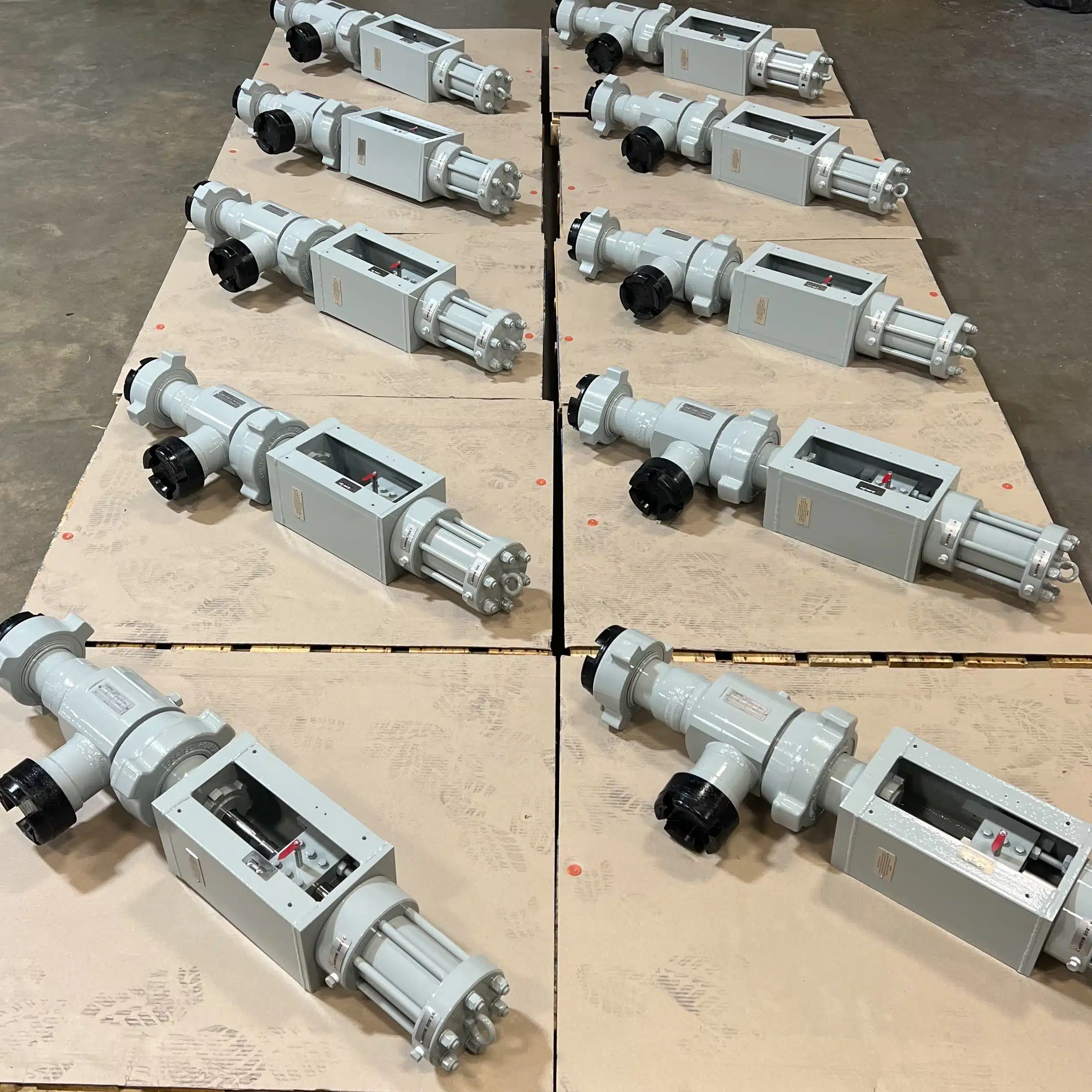
CORTEC Model NHM2 Choke with the CORTEC OEM double acting piston hydraulic actuator
Hydraulic Actuation
Pros: High force output, suitable for high-pressure service
Cons: More complex systems, higher maintenance
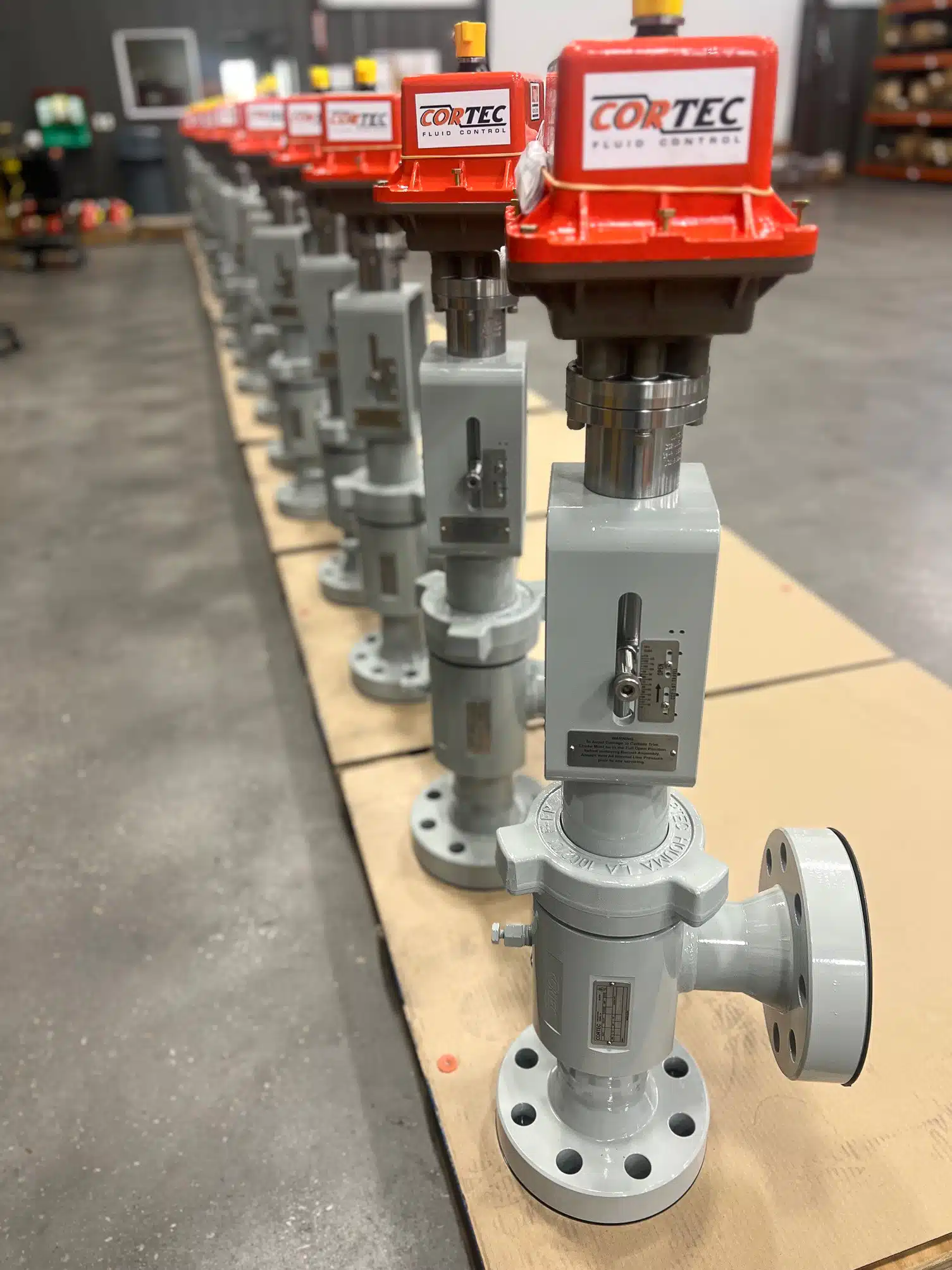
CORTEC Choke with Electric Actuation
Electric Actuation
Pros: High precision, easy automation integration
Cons: Power dependent, requires proper hazardous-area rating
Choosing the Right Choke
Choosing the right choke isn’t a one-size-fits-all task. You have to weigh your reservoir’s behavior, production targets, safety priorities, and the extent to which automation makes sense for your operation. In the field, decisions backed by real data and hands-on experience usually hold up best.
CORTEC offers production chokes in fixed and adjustable trims, with both manual and actuated options, and severe-service materials for demanding environments. There’s a solution for nearly every upstream scenario so that you can match the right choke to your well’s needs.
For more information, visit our Production Chokes product page or reach out to our expert CORTEC choke team today to get started.