
Engineered for Critical Isolation: CORTEC Monoflange Valves
In high-pressure and critical-service applications, reliable isolation depends on more than pressure rating alone. Sealing integrity, fugitive-emissions performance, material selection, operating reliability, and system footprint all play a role.
CORTEC Monoflange Valves combine these requirements into a compact, single-piece solution engineered for demanding process and instrumentation applications.
With working pressures up to 20,000 PSI, a solid forged body, true Double Isolation and Bleed (DIB) capability, and an advanced multi-gland sealing system, CORTEC Monoflange Valves are designed to provide dependable high-pressure isolation while simplifying the installation.
What Is a Monoflange Valve?
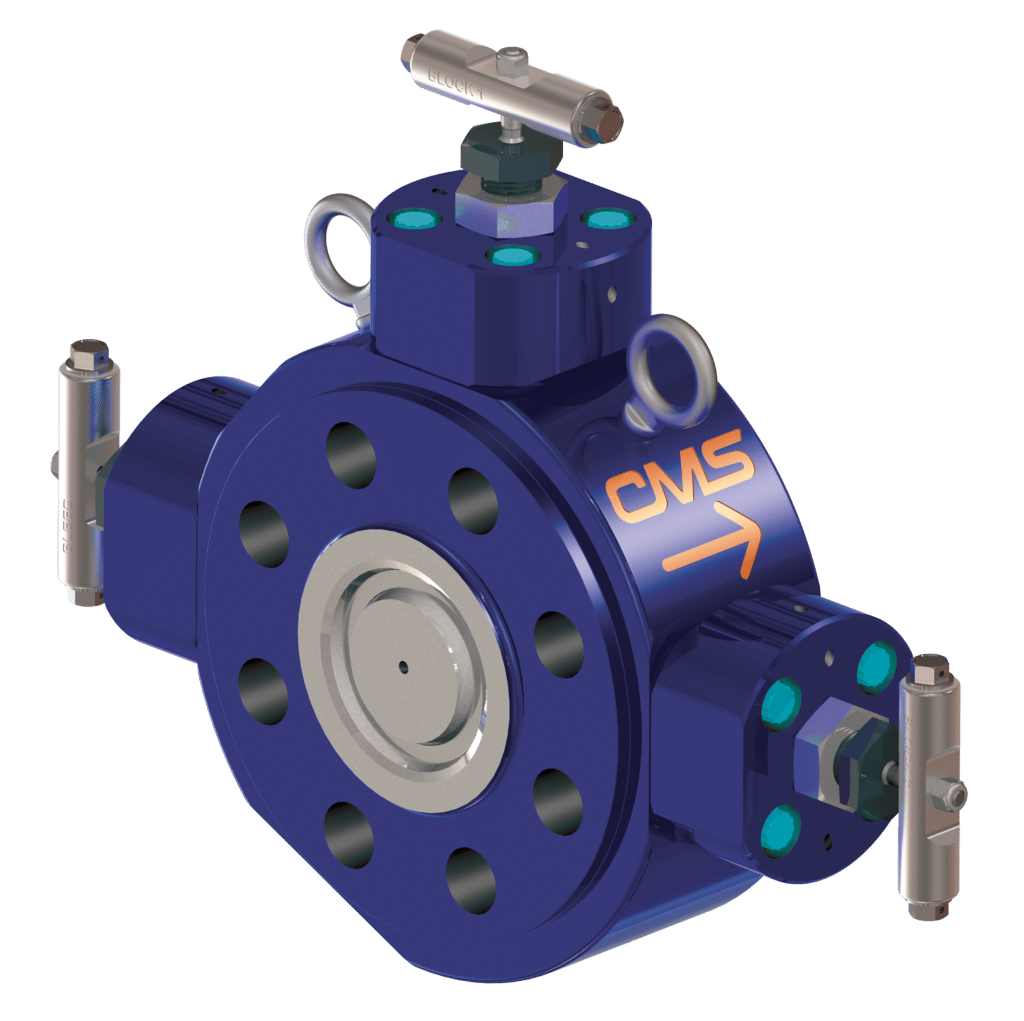
A monoflange valve combines multiple isolation and bleed functions into one compact valve assembly.
Instead of using several individual valves, fittings, and connection points, a monoflange integrates these functions into a single forged body. This can reduce installation footprint while providing the isolation and bleed capability required for critical process and instrumentation applications.
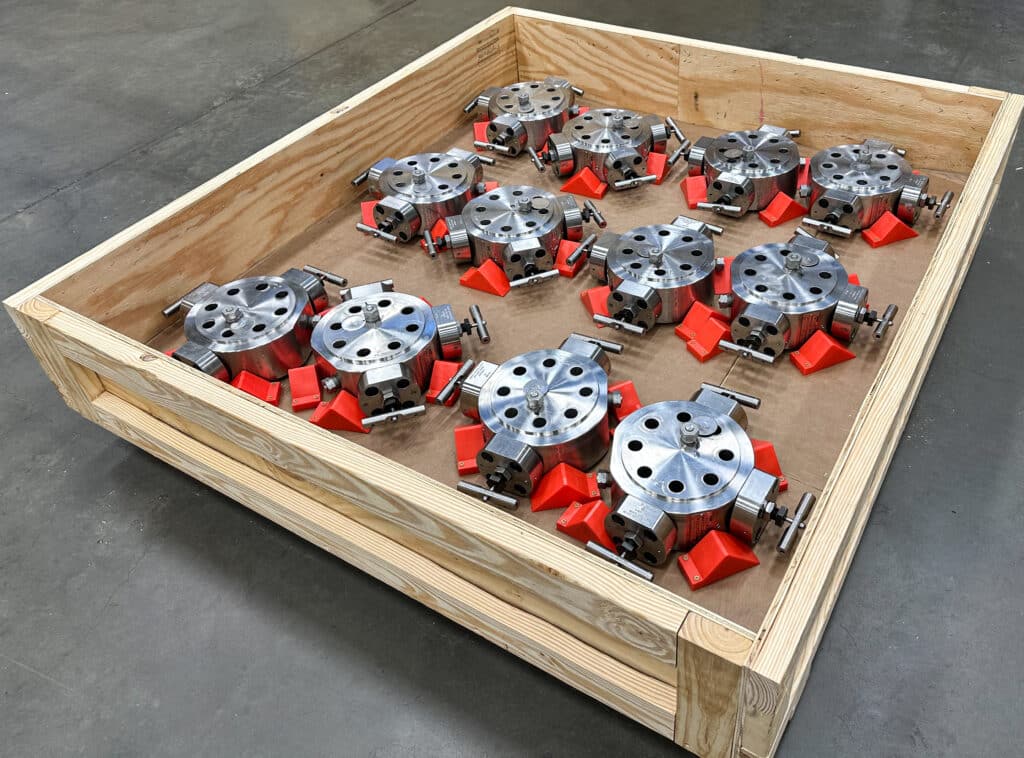
CORTEC Monoflanges are available with flexible outlet orientations to accommodate a range of piping and instrumentation layouts.
Why Use a Double Isolation and Bleed Monoflange?
A Double Isolation and Bleed, or DIB, monoflange provides multiple isolation barriers within a compact assembly.
CORTEC’s solid forged body design integrates these functions into a single unit, reducing the number of separate components and connections required within the isolation point.
For critical-service applications, this provides engineers and operators with a compact solution without sacrificing the multiple layers of isolation required by the application.
How Does CORTEC’s Monoflange Sealing System Work?
One of the key features of the CORTEC Monoflange is its multi-gland sealing system.
The stem sealing arrangement combines an advanced lipseal backed by a high-performance packing set. This provides multiple sealing barriers without requiring the packing set to be excessively compressed to achieve an effective seal.
The design supports reliable sealing while maintaining smooth, lower-torque valve operation.
The lipseal and packing are also positioned below the stem threads, separating process media from the threaded area and its lubricant.
Additional sealing features include:
- Metal-to-metal bonnet seals for dependable pressure containment
- A non-rotating stem tip designed to eliminate rotational galling against the metal seat during closure
- Fugitive-emissions performance qualified to ISO 15848 requirements
Together, these features address sealing integrity at multiple points within the valve.
How Does a Monoflange Help Reduce Fugitive Emissions?
Fugitive-emissions performance depends heavily on the integrity of the stem sealing system.
CORTEC Monoflange Valves incorporate a multi-gland arrangement using a lipseal backed by a high-performance packing set. This design creates multiple sealing barriers around the stem while supporting consistent valve operation.
The sealing system is designed to meet ISO 15848 fugitive-emissions requirements, helping address emissions performance in applications where process containment is critical.
What Pressure Can a CORTEC Monoflange Handle?
CORTEC Monoflange configurations are available for working pressures up to 20,000 PSI.
This high-pressure capability allows the platform to support demanding process, instrumentation, and severe-service applications where both compact installation and dependable isolation are required.
Available configurations can also incorporate stainless steels and specialized super alloys for applications involving aggressive media or corrosive environments.
Are CORTEC Monoflange Valves API 6A Compliant?
CORTEC Monoflange Valves are available with standard API 6A RTJ face flange sizes and configurations designed to meet stringent API 6A PSL 3G and PSL 4 requirements.
These specifications support applications requiring elevated levels of testing, documentation, traceability, and product performance.
For operators working in high-pressure oil and gas environments, API 6A compatibility also helps simplify integration with existing wellhead and pressure-control equipment.
Are CORTEC Monoflange Valves Fire-Safe?
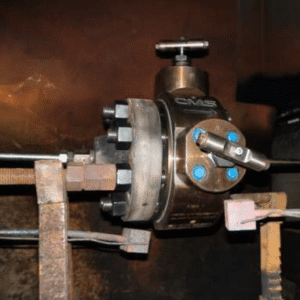
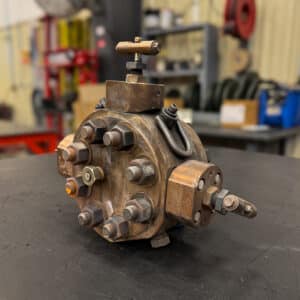
Yes. CORTEC Monoflange Valves have successfully completed API 607 and API 6FA fire testing.
Fire-safe testing evaluates the valve’s ability to maintain critical isolation performance when exposed to extreme thermal conditions.
This qualification provides an additional layer of confidence for applications where continued containment during a fire event is a key safety requirement.

What Safety Features Are Built Into the Monoflange Design?
Critical-service isolation requires mechanical protection in addition to effective sealing.
CORTEC Monoflange Valves incorporate an anti-blowout stem design along with an Outside Screw & Yoke, or OS&Y, stem and bonnet configuration.
An integrated locking device provides additional operational security where valve position must be controlled.
Combined with the multi-gland stem seal, metal-to-metal bonnet seal, and fire-safe qualification, these features support a safety-focused approach throughout the valve design.
What Materials Are Available for Severe-Service Monoflange Applications?
CORTEC Monoflange Valves are available in stainless steels and specialized super alloys for applications requiring increased resistance to corrosion, aggressive media, or severe operating environments.
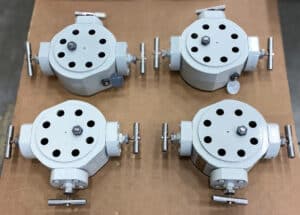
Material selection can be matched to the pressure, temperature, media, and corrosion requirements of the specific application.
Why Choose a Compact Monoflange Instead of Multiple Valves and Fittings?
Reducing the number of individual components in an isolation system can simplify installation and decrease the overall footprint of the assembly.
A single forged monoflange body can integrate isolation and bleed functions that might otherwise require multiple valves, fittings, and connection points.
For engineers and operators, the objective is more than saving space. The goal is to create a compact isolation point while maintaining the sealing integrity, pressure capability, material compatibility, and mechanical safety required for critical service.
What Makes CORTEC’s Monoflange Different?
CORTEC’s Monoflange Valve is engineered as a complete isolation system rather than simply a compact valve body.
Key design features include:
- Working pressures up to 20,000 PSI
- True Double Isolation and Bleed
- Solid forged body construction
- Multi-gland sealing using a lipseal and high-performance packing set
- Stem seals positioned below the threads
- Metal-to-metal bonnet sealing
- Non-rotating stem tip
- Anti-blowout stem design
- OS&Y configuration with locking capability
- ISO 15848 fugitive-emissions performance
- API 607 and API 6FA fire-safe testing
- API 6A configurations including PSL 3G and PSL 4
- Stainless steel and super-alloy material options
- Flexible outlet orientations
The result is a compact isolation solution engineered around the complete performance requirements of high-pressure and critical-service applications.
Do You Need a Monoflange for a High-Pressure or Critical-Service Application?
Every application has different pressure, material, connection, orientation, and instrumentation requirements.
CORTEC can work with your team to configure a Monoflange Valve around the specific needs of the application.
Looking for a compact DIB monoflange solution? Let’s talk.